








How to Cook Spaghetti Squash – I get lots of questions about how to cook spaghetti squash. Today I am going to share my favorite roasting method, a quick microwave method and spaghetti squash nutrition. Plus, a few of my favorite spaghetti squash healthy recipes.
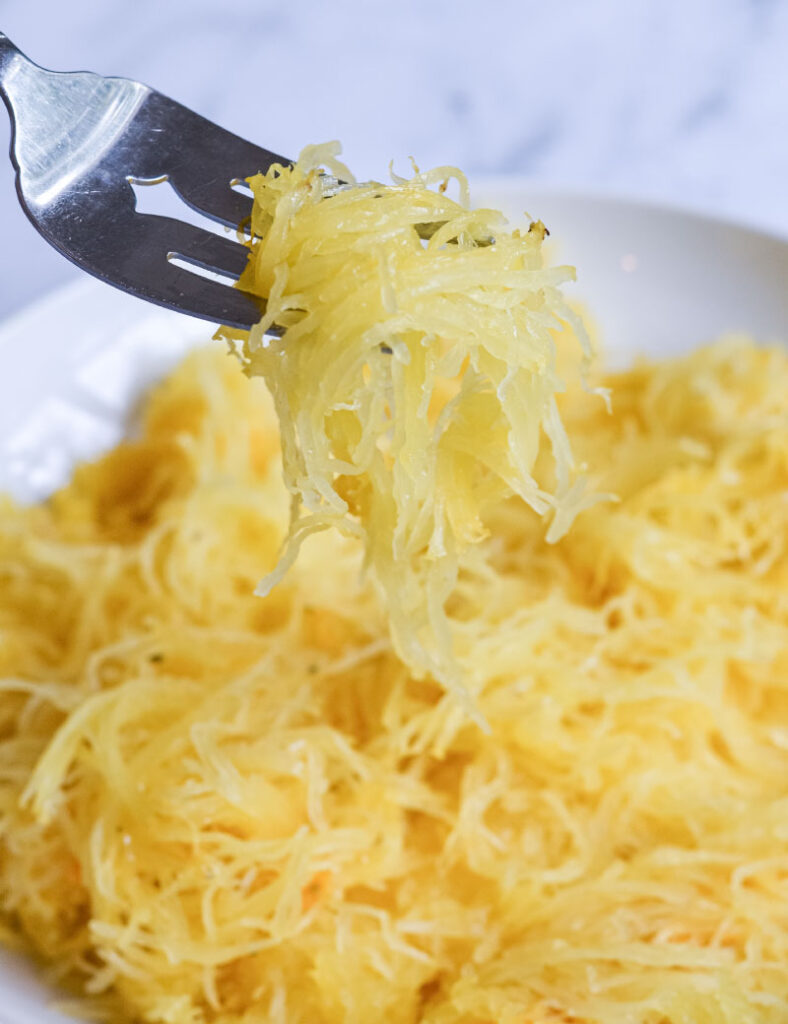
- Natural, Healthy and Delicious Spaghetti Squash
- Choosing the Perfect Spaghetti Squash at the Market
- How to Cook Spaghetti Squash
- Scoop Out the Seeds like a Pumpkin at Halloween!
- Spaghetti Squash Nutrition
- Kitchen Favorites
- Another Method! How to Cook Spaghetti Squash Microwave
- Spaghetti Squash Healthy Recipes
Natural, Healthy and Delicious Spaghetti Squash
Mother Nature’s spaghetti noodles which are strands of spaghetti squash are every bit as nutritious as they are delicious.
Similar to other hard-shelled winter squash, spaghetti squash is harvested in the early fall. But how do you cook spaghetti squash? Inquiring minds want to know.
I love how simple it is to roast spaghetti squash in the oven. If I’m making a recipe with spaghetti squash, I start the oven first, add the spaghetti squash and let it roast while I’m cooking the rest of our dinner.
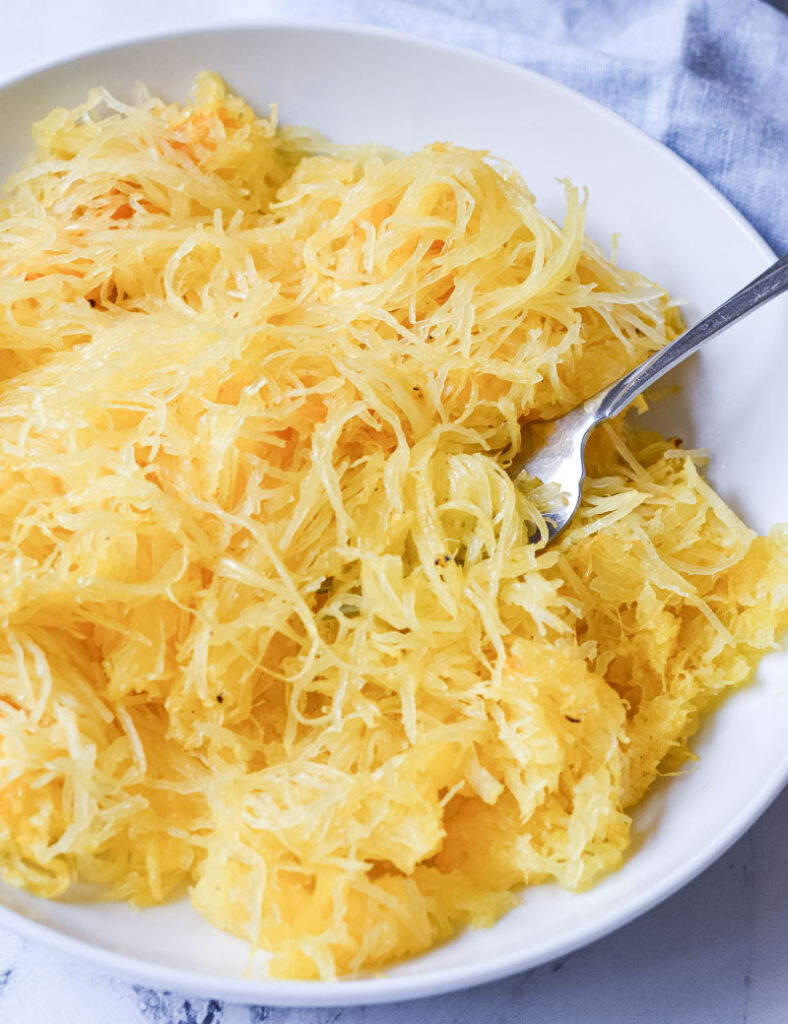
Choosing the Perfect Spaghetti Squash at the Market
When you’re at the local market, you want to look for spaghetti squash that is hard and rather heavy for its size. Pay attention to color too. Avoid spaghetti squash with soft spots and green color as this is a sign of immaturity – instead, look for a constant yellow or orange color.
Though at peak season in the fall, spaghetti squash is available year round in most parts of the United States and found all over the world. Do note spaghetti squash is sometimes called different things in different parts of the country such as vegetable spaghetti, noodle squash, spaghetti marrow or spaghetti.
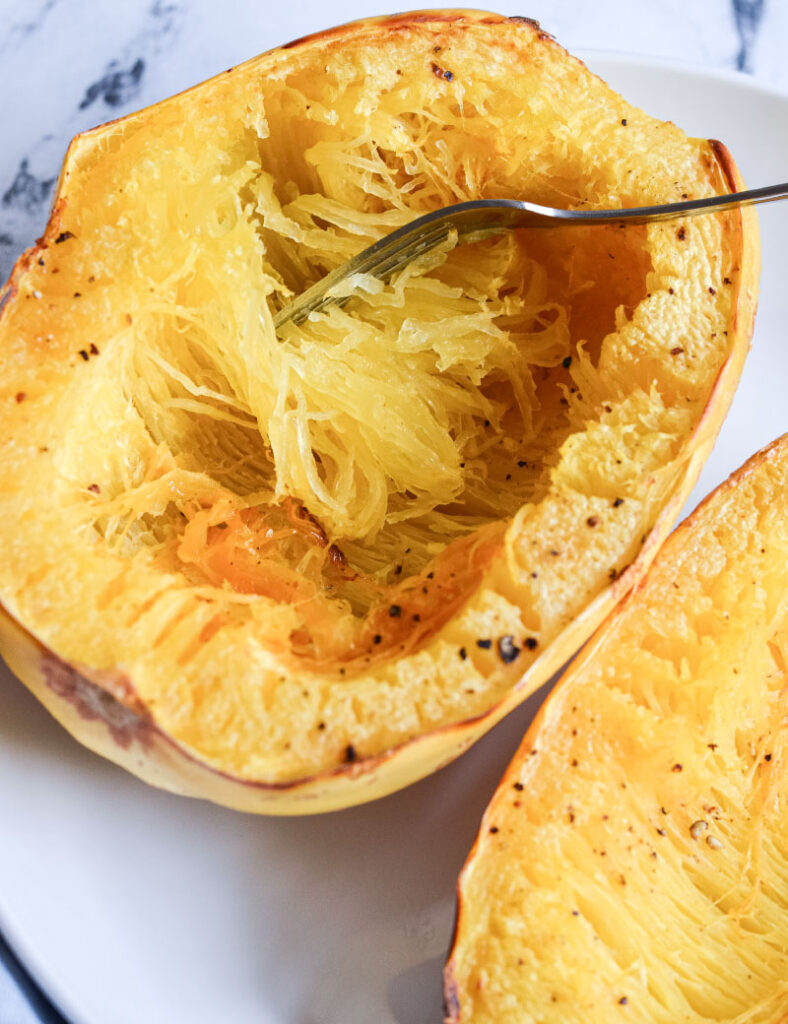
How to Cook Spaghetti Squash
My favorite way to cook spaghetti squash is to roast it in the oven at 400 degrees. The roasting flavor makes this dish delicious and perfect to eat by itself or to add to healthy recipes.
First you’ll want to cut the top off the spaghetti squash. I do this so I have a nice solid surface that faces down on the cutting board before I cut the spaghetti squash in half.
Next, use a large sharp knife and cut slowly. I typically push the knife in gently at first to ensure my blade is halfway in before using both hands to finish cutting in half.
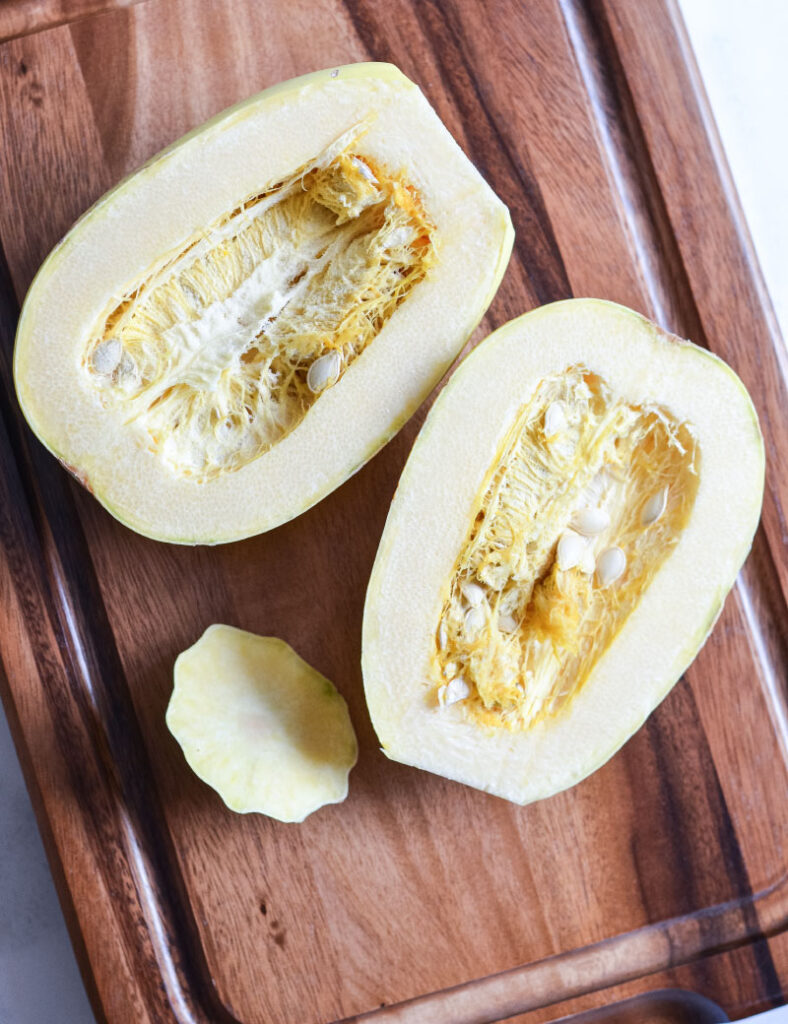
Scoop Out the Seeds like a Pumpkin at Halloween!
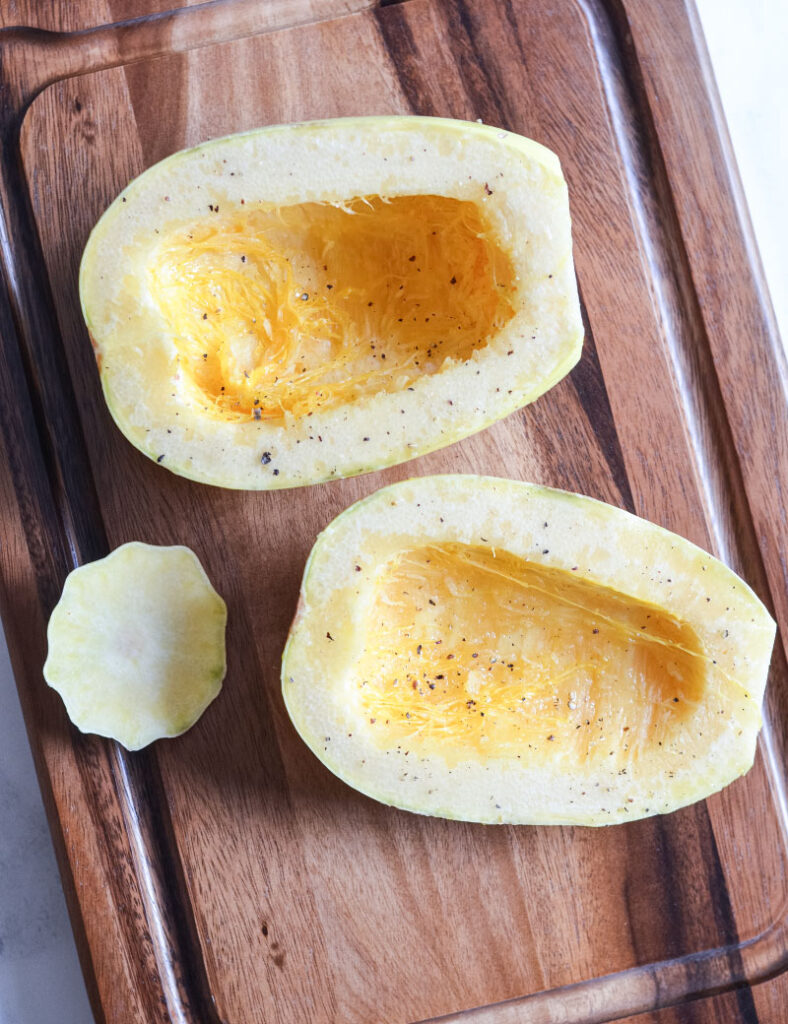
Spaghetti squash has the same inside as a pumpkin. Loaded with pulp and seeds that need to be scooped out. Yes, it will feel like your scooping out a pumpkin at halloween.
I love to season mine with a little extra virgin olive oil, salt and pepper. That’s it. This recipe doesn’t need anything else and it truly makes the flavor perfect after roasting.
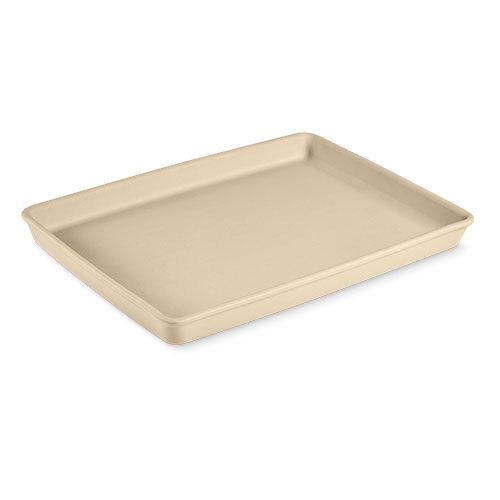
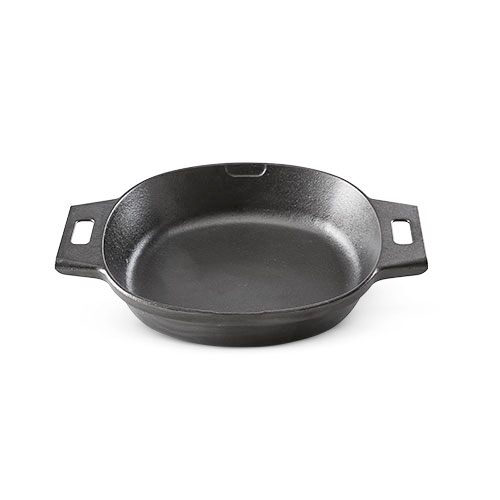
Using a stone baking pan, place the flesh face down on a baking sheet and bake for about 40-50 minutes. Facing it down creates a steam trap that softens the entire interior of the spaghetti squash.
Spaghetti Squash Nutrition
Like all vegetables, spaghetti squash is filled to the brim with nutrition. From phytonutrients to antioxidants. Including vitamin C. It is a particularly good source of anti-aging and cardio-protective carotenoids.
A review of six studies looking at the connection between carotenoid-rich diets and prevention of heart disease found a positive correlation; in one of these studies, those who consumed at least one daily serving of carrots or squash had a 60 percent decrease in heart attack risk compared to those eating fewer than one serving.
Spaghetti Squash is Loaded with Omega-3’s
Believe it or not, spaghetti squash also contains anti-inflammatory omega-3 fatty acids in the form of alpha-linolenic acid (ALA.)
Did you know one cup of spaghetti squash contains around 350 mg of ALA omega-3 fats? Omega-3 essential fats are the fats we must obtain from food because your body can’t manufacture them. Omega-3’s are also the fats people eating a modern diet are most deficient in. These super good for you fats are highly anti-inflammatory, cardio-protective and even slimming.
One way omega-3 fats help with weight management is by improving sensitivity to insulin. The fact spaghetti squash is a high-volume, fiber-rich and low calorie food (1 cup cooked contains only about 40 calories!) also contributes to its slimming properties.
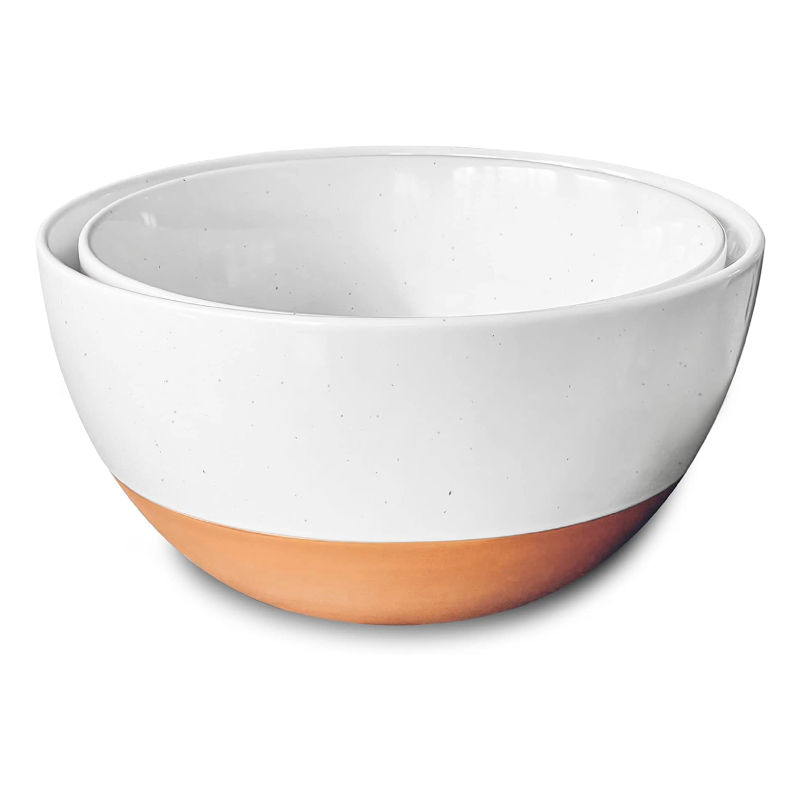
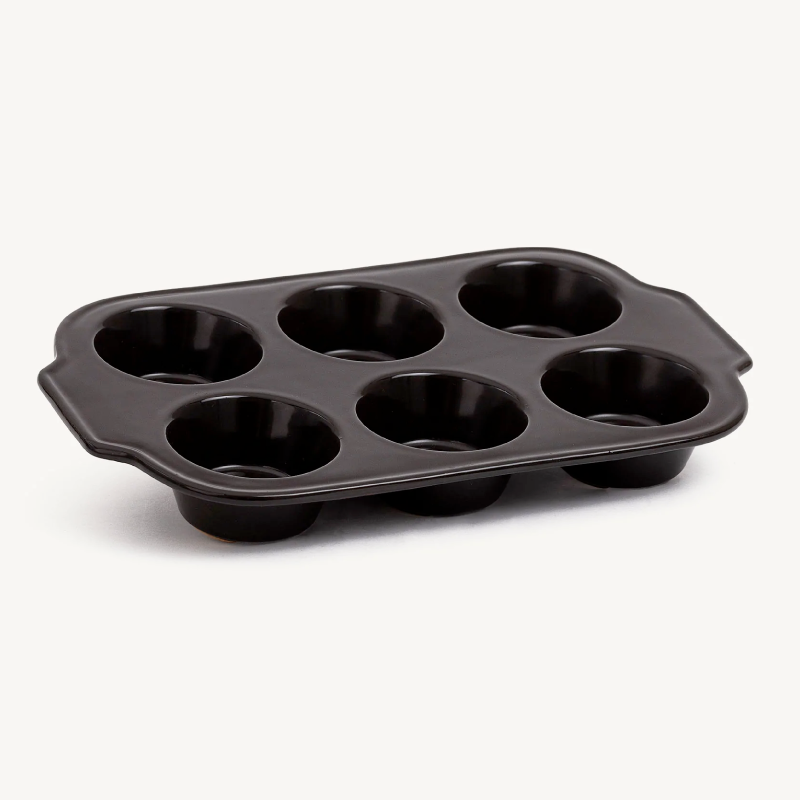
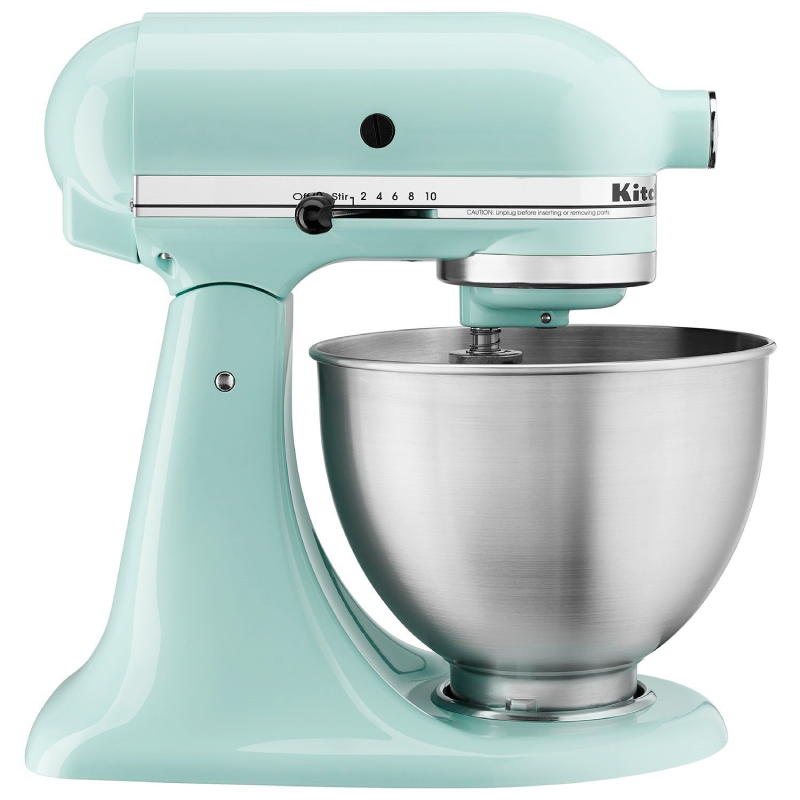
Kitchen Favorites

How to Cook Spaghetti Squash
Learn how to cook Spaghetti Squash in the oven and microwave. Loading with healthy nutrition, I also have 3 delicious recipes for you to try!
- Prep Time: 5 minutes
- Cook Time: 30 minutes
- Total Time: 35 minutes
- Yield: 5-6 1x
Ingredients
- 1 Spaghetti Squash*
- 1–2 tablespoons of extra virgin olive oil or
- 1 teaspoon sea salt
- 1/2 teaspoon black pepper (omit pepper for AIP)
Instructions
- Preheat oven to 400 degrees.
- Cut squash in half lengthwise. Remove the seeds and pulp – just like cleaning out the inside of a pumpkin at Halloween.
- Season with extra virgin olive oil, salt and pepper.
- Place on a stone baking pan cut side down. Bake for 30 to 40 minutes. Outer skin will be soft and brittle when done and flesh will be very tender.
- Remove from oven and allow to cool for at least 10 minutes.
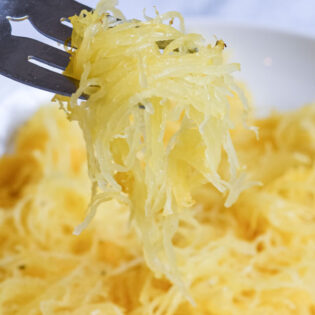
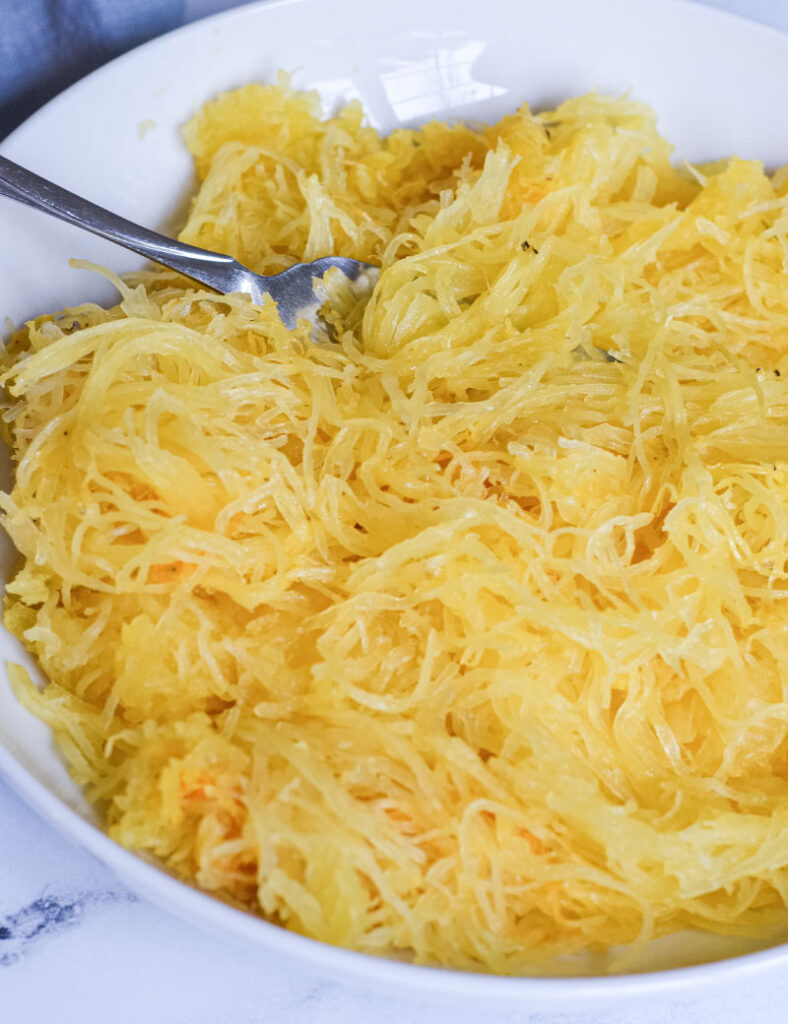
- Pull a fork lengthwise through the flesh to separate it into long strands. It comes out easily and looks like thin spaghetti.
Last Step! If you loved our recipe, leave us a review below. This helps future recipe makers and ensures continued high-quality recipes for years to come!
Notes
* At the market, choose a spaghetti squash that is yellow to light orange in color and firm – about 8 inches to 12 inches long
Another Method! How to Cook Spaghetti Squash Microwave
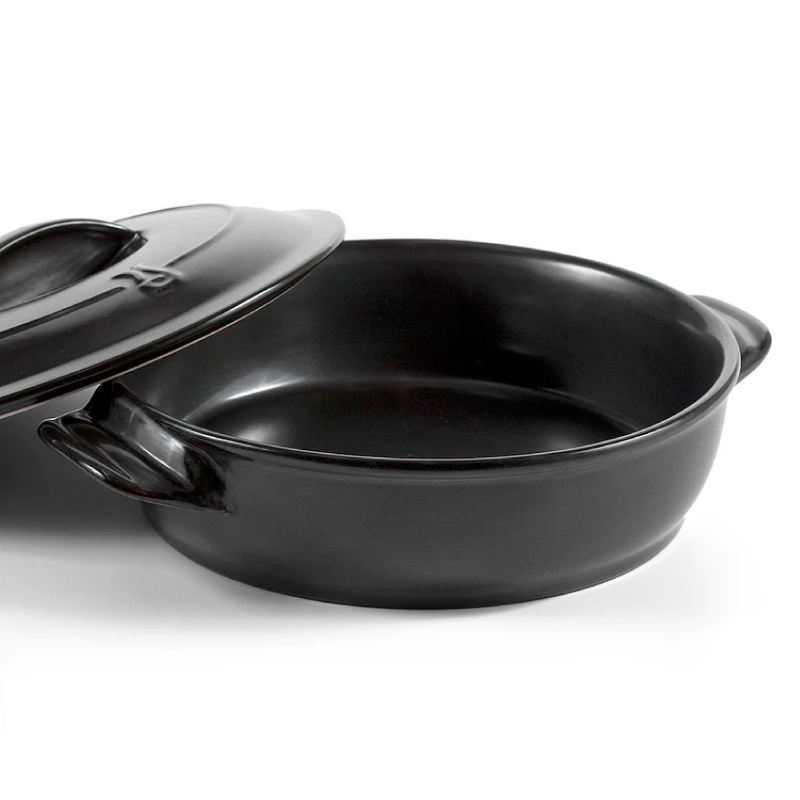
If you’re short on time or just want to use the microwave, you can add your spaghetti squash to a casserole dish. It’s one of the easiest and quiest ways for how to cook spaghetti squash but not our preferred or recommended way.
Plus, you lose so much flavor not roasting in the oven. But, if you must… here’s the instructions on how to cook spaghetti squash microwave style!
- Follow the instructions above by cutting the squash lengthwise and again, scooping the seeds out.
- Then, add the spaghetti squash to a casserole dish with about 4-6 tablespoons of water to help steam the squash. Cover with a casserole dish cover and microwave for 6-8 minutes. Remove carefully — be mindful of the stream and let rest for about 10 minutes before moving the squash.
Use a form to gentle pull the strands of squash. We love to season ours with a little salt and pepper.
Spaghetti Squash Healthy Recipes
We have several spaghetti squash favorites — but these are our top 3 spaghetti squash recipes that circulate our monthly calendar. Hope you can find some inspiration for your menu!
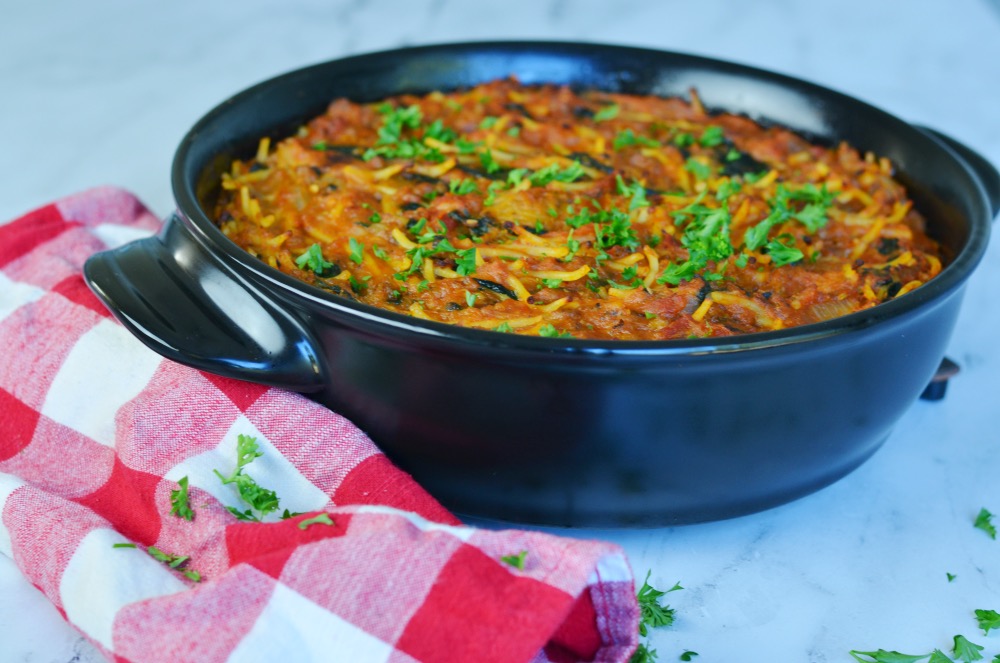
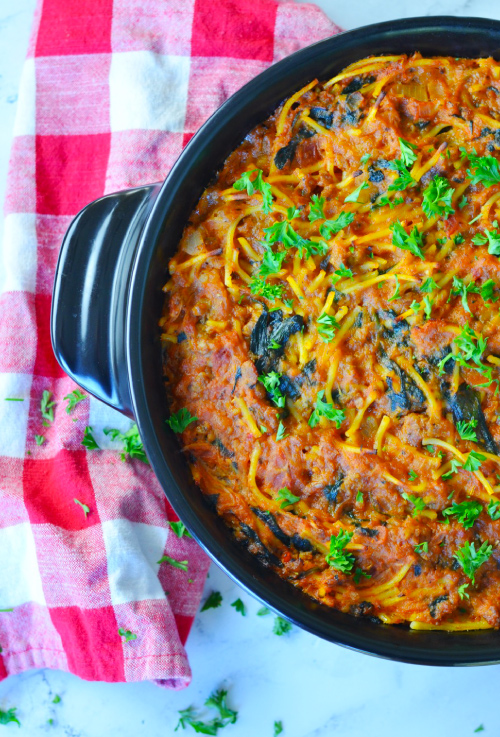
Spaghetti Squash Recipe #1: Spaghetti Pie Recipe
Our Spaghetti Pie with Spaghetti Squash recipe is absolutely delicious and a new family favorite. It’s great to make ahead and then eat as leftovers on busy evenings.
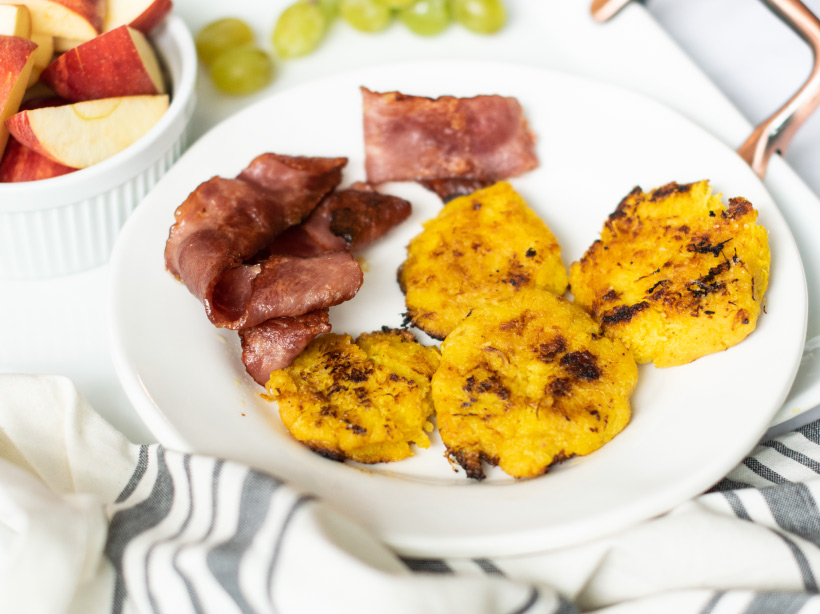
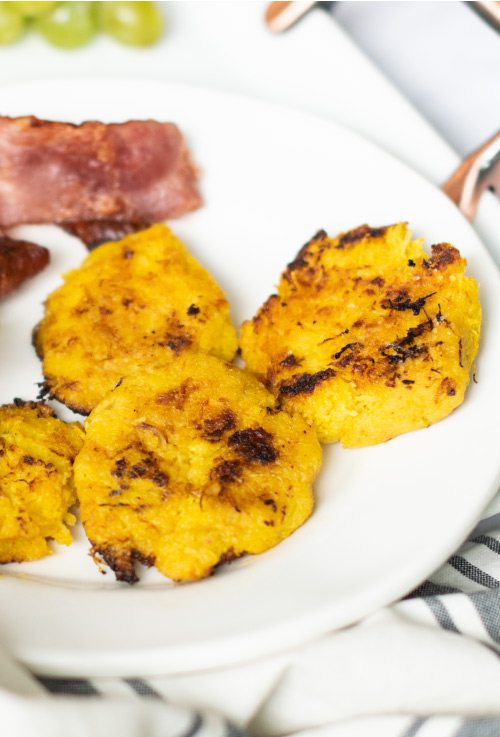
Spaghetti Squash Recipe #2: Spaghetti Squash Hash Browns
Due to it’s mild, neutral flavor, spaghetti squash can easily be used in both savory, and sweet dishes. These delicious and savory hash browns are perfect for breakfast or dinner!
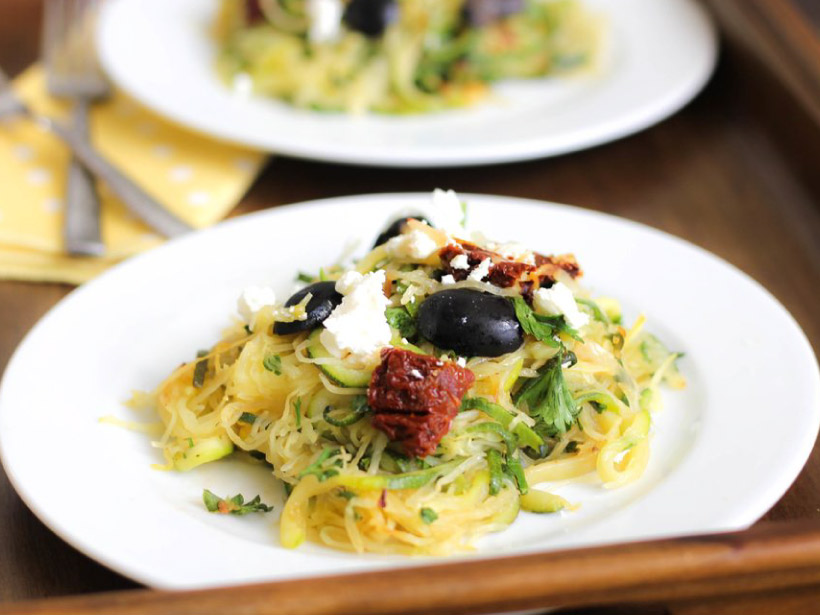
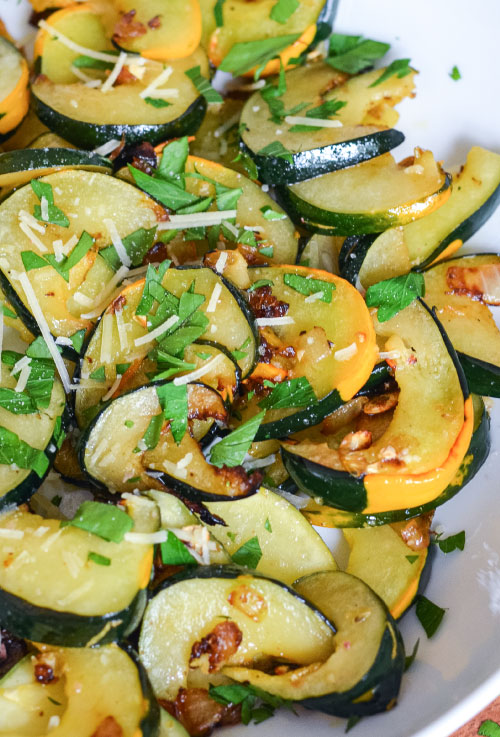
Spaghetti Squash Recipe #3: Spaghetti Squash and Zucchini
Made with zucchini and spaghetti squash, this vegetable pasta recipe was inspired by an incredibly simple yet surprisingly delicious entree I had recently at Chez l’Epicier, a farm to fork French Canadian restaurant on Palm Beach island.


Diane
Tuesday 27th of September 2022
Why do you use a stone baking pan? I use a metal cookie sheet.
Aimee Niedosik
Friday 30th of September 2022
We use stoneware and ceramic bakeware to help remove any leaching of metals into our food. If you're using a metal cookie sheet, be sure to use unbleached parchment paper. Here's an article about nontoxic cookware: https://cleancuisine.com/the-best-non-toxic-cookware/